บุชุที่ 3 จาก 20 · へん · ซ้าย
扌 てへん: มือ
Things you do with your hands: holding, throwing, hitting, pointing.
เป็นบุชุของคันจิ 26 ตัว จาก 1026 ตัวที่เรียนในโรงเรียนประถมญี่ปุ่น
字源 · ทำไมเป็นรูปนี้
จากภาพวาดสู่ 扌
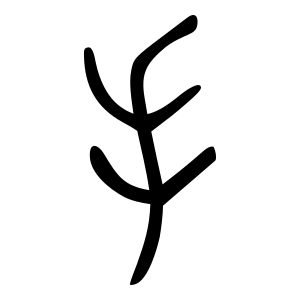 อักษรสำริด 金文
ราว 1000 ปีก่อน ค.ศ.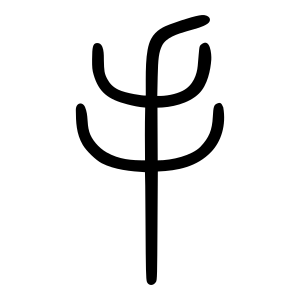 อักษรตราประทับ 篆書
ราว 220 ปีก่อน ค.ศ.- 手ปัจจุบัน


รูปอักษรโบราณ: แสดงตัวอย่างที่พบจริงอย่างละหนึ่งแบบ จาก Ancient Chinese characters project บน Wikimedia Commons (สาธารณสมบัติ) รูปร่างต่างกันมากตามยุคสมัยและสถานที่ แตะที่ภาพเพื่อดูแหล่งที่มา
- 1. The picture
An open hand. The short strokes are the fingers and the long vertical line is the wrist and arm.
- 2. Squeezed to the left
On the left it shrinks to three strokes: one across, one down with a hook, and one flicking up. This is 扌, “hand at the side”.
ที่มาของตัวอักษรอิงตามคำอธิบายที่สอนกันทั่วไป หากนักวิชาการเห็นต่างกัน เราจะบอกไว้
ครอบครัวนี้เกี่ยวกับอะไร
Things you do with your hands: holding, throwing, hitting, pointing.
- 持hold
- 投throw
- 打strike
- 指finger
เมื่อคำใบ้ใช้ไม่ได้
才 (talent) is filed under 手 by dictionaries, but it started as a different picture.
- 才genius
ครอบครัว 扌 แยกตามชั้นเรียน
คันจิระดับประถมทุกตัวที่อยู่ในบุชุ 扌 แตะที่ตัวอักษรเพื่อดูความหมาย (ภาษาอังกฤษ)
ป.1小1 · 1
手
hand
ป.2小2 · 1
才
genius, years old
ป.3小3 · 5
持
hold, have指
finger, point to投
throw, discard打
strike, hit拾
pick up, gather
ป.4小4 · 2
挙
raise, plan折
fold, break
ป.5小5 · 7
提
propose, take along技
skill, art接
touch, contact授
impart, instruct採
pick, take損
damage, loss招
beckon, invite
ป.6小6 · 10
担
shouldering, carry推
conjecture, infer批
criticism, strike拡
broaden, extend承
acquiesce, hear探
grope, search揮
brandish, wave操
maneuver, manipulate捨
discard, throw away拝
worship, adore
ครอบครัว: คันจิที่มีบุชุแบบดั้งเดิมใน KANJIDIC2 เป็น 手 (ลำดับที่ 64) KANJIDIC2 © EDRDG, CC BY-SA 4.0